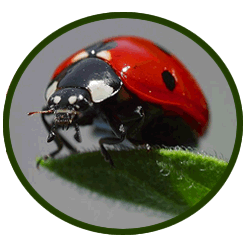
What Do Insects Look Like?
All insects share basic body features! Every insect has three main body parts: head, thorax (middle section), and abdomen. All adult insects have six legs attached to the thorax. Most have wings and antennae too!
Insects come in incredible variety! The smallest is the fairyfly wasp at only 0.006 inches long - smaller than a grain of sand! The largest is the Giant Weta of New Zealand, which can weigh 2.5 ounces - heavier than a sparrow!
Insects have exoskeletons! Unlike humans with bones inside, insects have hard shells on the outside. This exoskeleton protects them like armor. As insects grow, they must shed their old exoskeleton and grow a new, bigger one!
Most insects can fly! Flies have two wings, while bees, butterflies, and beetles have four wings. Dragonflies are amazing fliers - they can hover, fly backward, and reach speeds of 35 mph! Some insects, like ants and fleas, have no wings at all.
Insects have compound eyes! Their eyes are made of thousands of tiny lenses. A dragonfly has 30,000 lenses in each eye! This gives them amazing vision for spotting prey and avoiding predators.
Major groups of insects include:
- Beetles - Hard wing covers, over 400,000 species!
- Butterflies & Moths - Scaly wings, long proboscis for sipping nectar
- Bees, Wasps, & Ants - Many live in colonies, crucial pollinators
- Flies - Two wings, excellent fliers
- Grasshoppers & Crickets - Powerful jumping legs, make sounds
- Dragonflies - Four wings, predators with amazing flying skills
- Bugs - Piercing mouthparts, includes stink bugs and cicadas
Where Do Insects Live?
Insects live EVERYWHERE! They're found on every continent, including Antarctica. Insects live in forests, deserts, oceans, freshwater, mountains, caves, and even inside your house!
Many insects live in colonies! Ants, bees, and termites build impressive nests. Ant colonies can have millions of individuals working together! Honeybee hives can house 60,000 bees. These social insects have queens, workers, and specific jobs for each member.
Some insects live underground! Cicada nymphs spend 13-17 years underground before emerging! Ants build elaborate tunnel systems. Dung beetles bury balls of poop to feed their young. Underground life protects insects from predators and weather.
Water-loving insects are common! Water striders walk on water's surface. Diving beetles swim underwater carrying air bubbles. Mosquito larvae live in still water. Dragonfly nymphs are fierce underwater predators!
Many insects migrate! Monarch Butterflies travel 3,000 miles from Canada to Mexico! Desert Locusts swarm in groups of billions, traveling hundreds of miles. Dragonflies also migrate long distances.
Insects have adapted to extreme environments! Ants live in deserts reaching 158°F. Antarctic midges survive being frozen solid. Cave insects live in complete darkness. Hot spring insects live in near-boiling water!
Some insects live on or in other animals! Fleas and lice live on mammals. Bot flies lay eggs on animals - larvae burrow into skin! Parasitic wasps lay eggs inside other insects. These insects are specially designed for their unusual lifestyles.
What Do Insects Eat?
Insects eat almost everything! Different insects have specialized diets.
Herbivorous insects eat plants:
- Caterpillars munch leaves
- Aphids suck plant juices
- Bees collect nectar and pollen
- Grasshoppers eat grass and crops
- Leaf-cutter ants farm fungus they grow on chewed leaves!
Carnivorous insects eat other animals:
- Dragonflies catch mosquitoes and flies
- Praying mantises catch insects with folded front legs
- Ladybugs eat aphids
- Assassin bugs pierce prey and suck out fluids
- Tiger beetles are fierce hunters
Decomposer insects eat dead things:
- Flies lay eggs on dead animals
- Carrion beetles bury small dead animals
- Dung beetles eat poop!
- Termites eat dead wood
Blood-feeding insects:
- Female mosquitoes need blood to make eggs
- Fleas drink blood from mammals
- Bed bugs feed at night
- Tsetse flies spread diseases
Insects have different mouthparts for different foods! Butterflies have a straw-like proboscis for sipping nectar. Mosquitoes have piercing mouthparts. Grasshoppers have chewing mouthparts. Flies have sponging mouthparts. Each design suits their diet perfectly!
Many insects help pollinate plants! Bees, butterflies, moths, beetles, and flies transfer pollen between flowers. Without insect pollinators, many plants couldn't reproduce! About 75% of crops depend on insect pollination.
Some insects make food humans eat! Honeybees make honey - over 300 pounds per hive per year! People in many cultures eat insects - crickets, mealworms, and grasshoppers are nutritious protein sources!
Baby Insects
Baby insects develop in two main ways! Some go through complete metamorphosis, others through incomplete metamorphosis.
Complete Metamorphosis (butterflies, beetles, bees, flies):
Eggs hatch into larvae (caterpillars, grubs, maggots). Larvae eat constantly and grow. When ready, larvae form pupae (cocoons or chrysalises). Inside, their bodies completely reorganize. Adult insects emerge totally transformed!
Caterpillars are eating machines! A caterpillar can eat 27,000 times its birth weight! Imagine a 7-pound baby eating 94 tons of food! They grow so fast they must shed their skin several times.
The transformation inside a pupa is incredible! The caterpillar essentially dissolves into a soup of cells, then reorganizes into a butterfly! This process takes days to months depending on species.
Incomplete Metamorphosis (grasshoppers, dragonflies, cockroaches):
Eggs hatch into nymphs - miniature versions of adults without wings. Nymphs molt (shed their exoskeleton) several times as they grow. With each molt, they look more like adults. After the final molt, they're fully grown adults with wings!
Dragonfly nymphs are aquatic! They live underwater for months or years, hunting tadpoles and small fish. When ready, they crawl out of water, their skin splits, and a winged adult emerges!
Insect eggs are laid in clever places! Butterflies lay eggs on specific plants caterpillars eat. Mosquitoes lay eggs in water. Mantises create foam egg cases. Parasitic wasps inject eggs into other insects!
Many baby insects don't survive! Birds, spiders, other insects, and disease kill most young insects. But insects lay so many eggs that enough survive to continue the species. A single fly can lay 500 eggs at once!
Why Are Insects Special?
Insects are designed with incredible adaptations! Their small size, exoskeletons, ability to fly, and diverse lifestyles make them the most successful animals on Earth. They've survived since ancient times!
Insects are essential for ecosystems! They pollinate plants, decompose dead material, control pest populations, and provide food for countless animals. Without insects, most ecosystems would collapse!
Insects help humans! Bees pollinate crops providing one-third of our food. Silkworms produce silk. Insects help decompose waste. Scientists study insects to develop medicines and new technologies. Insects are even being considered as sustainable protein sources!
Some insects are pests! Locusts destroy crops. Mosquitoes spread diseases. Termites damage buildings. But even "pest" insects play important roles in nature. The solution is managing them, not eliminating them entirely.
Many insect species are declining! Habitat loss, pesticides, and light pollution threaten insects. Some butterfly and bee species have declined dramatically. Protecting insects means protecting entire ecosystems!
Everyone can help insects! Plant native flowers for pollinators. Reduce pesticide use. Leave some "messy" areas in yards for insect habitat. Turn off unnecessary outdoor lights. Small actions make big differences for these tiny but crucial animals!