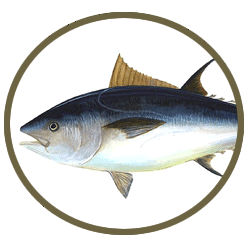
What Do Saltwater Fish Look Like?
Saltwater fish are incredibly diverse! They come in every color and shape you can imagine. Some look like flat pancakes, others are round like balloons, and some are long and skinny like ribbons!
Fish sizes vary amazingly! The smallest is the Stout Infantfish at only 0.3 inches long - tinier than a dime! The largest is the Whale Shark, which can grow 40 feet long and weigh 47,000 pounds - heavier than 3 elephants!
Ocean fish have brilliant colors! Clownfish are bright orange and white. Parrotfish can be neon green, blue, and pink! Lionfish have striped patterns in red and white. These bright colors help fish recognize each other, attract mates, or warn predators!
Fish bodies are perfect for swimming! Most have streamlined shapes that slice through water easily. Their fins act like rudders for steering and brakes for stopping. Tails push them forward. Scales cover their bodies, making them smooth and slippery!
Fish breathe through gills! Gills are special organs on the sides of their heads. When fish gulp water, it flows over their gills. The gills pull oxygen from the water. This is how fish breathe underwater!
Types of saltwater fish include:
- Sharks - Powerful predators with cartilage instead of bones
- Rays - Flat fish that glide through water
- Coral Reef Fish - Colorful fish living near reefs (clownfish, angelfish)
- Open Ocean Fish - Fast swimmers like tuna and marlin
- Deep Sea Fish - Strange fish living in dark, deep water
- Bottom Dwellers - Flounder, halibut, flatfish
Where Do Saltwater Fish Live?
Saltwater fish live in all the world's oceans! Different fish prefer different ocean zones. Some love warm tropical waters, others thrive in icy polar seas. Fish live at every depth - from sunny surface waters to pitch-black ocean trenches!
Coral reef fish love warm, shallow water! Coral reefs are like underwater cities - colorful, crowded, and full of life. Clownfish hide in anemones. Parrotfish munch on coral. Groupers lurk in caves. Reefs are home to 25% of all ocean fish species!
Open ocean fish are the speed demons! Tuna, marlins, and swordfish cruise the open sea hunting prey. These powerful swimmers migrate thousands of miles following food and breeding grounds. They can swim 50-60 mph - faster than most boats!
Deep sea fish live in darkness! Below 3,000 feet, no sunlight reaches. Fish here have adapted to crushing pressure and total darkness. Many can make their own light (bioluminescence)! Anglerfish dangle glowing lures to attract prey.
Some fish live near the bottom! Flounder, halibut, and rays live on sandy or rocky ocean floors. Flounder are flat and camouflaged to match the sand. They bury themselves with only their eyes showing!
Many fish form huge schools! Schooling protects fish from predators. When thousands swim together in perfect coordination, predators get confused! Schools can have millions of fish moving as one giant organism.
Fish migrate long distances! Bluefin tuna cross entire oceans. Salmon born in rivers swim to the ocean, then return to their birth rivers years later to spawn. How they navigate across thousands of miles remains a mystery!
What Do Saltwater Fish Eat?
Different saltwater fish eat different things! Their diets are as varied as their appearances.
Carnivorous fish (meat eaters):
- Sharks eat fish, seals, sea turtles
- Barracuda chase and catch smaller fish
- Lionfish hunt small fish and shrimp
- Groupers ambush prey from hiding spots
- Moray eels grab fish with sharp teeth
Herbivorous fish (plant eaters):
- Parrotfish scrape algae from coral (and poop out sand!)
- Surgeonfish graze on algae like underwater cows
- Some tangs eat seaweed and plant matter
Filter feeders:
- Whale sharks filter plankton (tiny organisms)
- Manta rays gulp huge mouthfuls of plankton-rich water
- Basking sharks swim with mouths open, filtering food
Omnivores (eat both plants and meat):
- Clownfish eat algae and small invertebrates
- Damselfish snack on algae and tiny animals
- Many reef fish eat whatever they can find!
Sharks are apex predators! Great White Sharks hunt seals with incredible speed and power. Hammerhead Sharks use their weird-shaped heads to detect hidden prey. Tiger Sharks eat almost anything - they've even been found with license plates in their stomachs!
Some fish have special hunting tricks! Anglerfish dangle glowing lures to attract prey in the dark. Archerfish shoot water jets to knock insects off plants above water! Stonefish sit perfectly camouflaged, waiting for prey to swim by.
Many fish eat at specific times! Some hunt during the day, others at night. Some eat constantly, others go weeks between meals. Sharks can survive months without eating if needed!
Baby Saltwater Fish
Baby fish are called fry! Most saltwater fish reproduce by laying eggs. Females can lay thousands, even millions, of eggs at once!
Most fish just release eggs and leave! Parents don't care for eggs or babies. Females release eggs into water, males fertilize them, and that's it. The tiny eggs drift with currents. This seems harsh, but laying millions of eggs ensures some survive!
Fish eggs are tiny! Many are smaller than grains of sand. The eggs float in water or stick to rocks and plants. After days or weeks, tiny fish hatch. Baby fish are see-through and barely visible!
Some fish do care for babies! Clownfish guard eggs laid on rocks. They fan the eggs with their fins to keep them clean and oxygenated. Dads do most of the egg-guarding work!
Seahorse dads give birth! After females deposit eggs in the male's pouch, he carries them for weeks. When ready, the dad has contractions and shoots out hundreds of tiny seahorses! It's one of nature's coolest reversals of normal roles.
Baby fish face constant danger! Bigger fish, birds, jellyfish, and countless other predators eat fish eggs and fry. Only a tiny percentage survive to adulthood. This is why fish lay so many eggs!
Some fish start life completely different! Baby flounder look normal, with eyes on both sides. As they grow, one eye migrates to join the other! They become flat and lie on one side on the ocean floor.
Young fish often look different from adults! They might have different colors or patterns. Some have spots that disappear with age. These colors help camouflage vulnerable young fish.
Why Are Saltwater Fish Special?
Saltwater fish are designed with incredible adaptations! Their ability to live in salty water, diverse body shapes, amazing colors, and specialized hunting methods make them endlessly fascinating. Ocean fish show the amazing diversity of life in the seas!
Fish are crucial for ocean ecosystems! They control populations of smaller organisms, provide food for larger animals, and maintain coral reef health. Fish are vital links in ocean food chains!
Fish help humans too! We eat fish for healthy protein. Fish oil provides important nutrients. Scientists study fish to learn about ocean health. Aquariums let us marvel at underwater beauty. Sport fishing brings joy to millions!
Many saltwater fish are threatened! Overfishing has depleted many fish populations. Bluefin tuna numbers have crashed. Some sharks are endangered. Pollution and habitat destruction threaten ocean fish worldwide.
Conservation helps fish survive! Marine protected areas let fish populations recover. Fishing regulations prevent overharvesting. Reduced ocean pollution helps fish thrive. Everyone can help by eating sustainable seafood and protecting oceans!