What Do Molluscs Look Like?
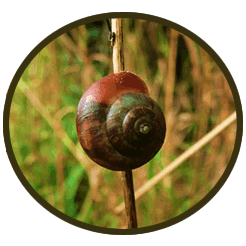
Molluscs have soft bodies, but they're incredibly diverse! Most have shells for protection, but some don't. All molluscs have a muscular "foot" used for movement (though it looks different in each group!).
Mollusc sizes range from microscopic to gigantic! The smallest are 0.04 inches long - tinier than a rice grain! The largest is the Colossal Squid at 43 feet long and 1,500 pounds - heavier than a car!
Gastropods (snails and slugs):
- Snails have spiral shells they can retract into
- Slugs are snails without shells
- Both have a muscular "foot" for crawling
- Many have eyes on stalks
- Radula (tongue covered in tiny teeth) scrapes food
- Over 60,000 species - most diverse mollusc group!
Bivalves (clams, mussels, oysters, scallops):
- Two shells hinged together
- Filter water for food
- Most live buried in sand or attached to rocks
- Scallops can "swim" by clapping shells!
- Oysters make pearls
- Some live 500+ years!
Cephalopods (octopuses, squid, cuttlefish, nautilus):
- Most intelligent invertebrates!
- Eight arms (octopuses) or ten (squid, cuttlefish)
- Can change color and texture instantly
- Large, complex eyes similar to human eyes
- Most have no external shell (nautilus does)
- Can squirt ink to escape predators
Many molluscs have beautiful shells! Shells come in spirals, cones, discs, and countless shapes. Colors range from plain white to brilliant patterns of red, orange, blue, and purple! Collectors prize rare shells for their beauty.
Cephalopods can change color! Octopuses and cuttlefish have special cells called chromatophores that expand or contract to create colors. They change patterns in seconds for camouflage, communication, or when excited!
Where Do Molluscs Live?
Molluscs live almost everywhere! They're found in all oceans, freshwater lakes and rivers, and on land in forests, gardens, and deserts.
Ocean molluscs dominate the seas! Octopuses hide in rocky crevices. Squid cruise open oceans in huge schools. Clams burrow in sandy seafloors. Mussels attach to rocks in crashing surf. Giant clams anchor to coral reefs. Deep-sea squid live in pitch-black trenches!
Land snails love damp places! Garden snails emerge after rain. Forest snails live under logs and leaves. Some desert snails survive extreme heat by sealing their shells and sleeping for months! Land snails need moisture because they breathe through moist skin.
Slugs prefer even wetter habitats! Unlike snails with protective shells, slugs need constantly moist environments. They hide under rocks, logs, and in leaf litter during the day. At night, they emerge to eat plants and fungi.
Freshwater molluscs live in lakes and rivers! Freshwater snails graze on algae. Freshwater mussels filter water - one mussel can filter 15 gallons per day! These molluscs are crucial for keeping water clean.
Cephalopods are almost all marine! Octopuses live on ocean floors, hiding in dens made from rocks. Squid swim in open water or near coasts. Cuttlefish prefer shallow coastal waters. The Nautilus is an ancient kind of sea creature found in deep waters of the Pacific!
Some molluscs live in extreme environments! Hydrothermal vent snails survive near underwater volcanoes at 750°F! Deep-sea squid handle crushing pressure. Arctic whelks live in freezing water. Molluscs have adapted to almost every aquatic habitat!
Many molluscs never move far! Oysters cement themselves to rocks as babies and stay there for life - sometimes 100+ years! Clams burrow in one spot. But octopuses are intelligent explorers, investigating their territories and solving puzzles!
What Do Molluscs Eat?
Molluscs have incredibly diverse diets depending on their type!
Filter feeders (bivalves):
- Clams, mussels, and oysters filter tiny plankton from water
- They pump water through their gills
- Food particles get trapped and eaten
- One mussel can filter 15 gallons of water daily!
- Giant clams also get energy from algae living in their tissues
Herbivorous molluscs (plant eaters):
- Many snails and slugs eat plants
- Garden snails munch on leaves, flowers, and vegetables
- Aquatic snails scrape algae from rocks and plants
- They have a radula - a tongue covered in thousands of tiny teeth!
- The radula works like a file, scraping food into their mouths
Carnivorous molluscs (meat eaters):
- Octopuses hunt crabs, fish, and shellfish
- Squid catch fish and shrimp with their tentacles
- Cone snails inject venom to paralyze fish (deadly to humans!)
- Some sea slugs eat jellyfish and sea anemones
- Whelks drill holes in other shellfish and eat them
Octopuses are clever hunters! They sneak up on prey, pounce, and inject venom with their beaks. Octopuses can unscrew jar lids to get food inside! They've even been observed using coconut shells as portable armor.
Squid are active predators! They zoom through water using jet propulsion. When they spot prey, squid shoot out two long feeding tentacles to grab it. The tentacles have suckers lined with hooks! Then shorter arms bring food to their sharp beaks.
Some molluscs are scavengers! Many snails eat dead plants and animals. Whelks clean up dead fish. Sea slugs eat sponges, corals, and other things most animals can't digest. Scavenging molluscs help recycle nutrients!
Cuttlefish hypnotize their prey! They change colors in rippling waves that mesmerize small fish and shrimp. While prey is distracted, cuttlefish strike with their feeding tentacles!
Baby Molluscs
Molluscs reproduce in fascinating ways!
Most molluscs lay eggs! Marine molluscs release eggs into water. Some lay thousands or millions of eggs! Land snails lay eggs in moist soil. The eggs are often covered in protective gel or placed in safe hiding spots.
Many molluscs have free-swimming larvae! Baby clams, oysters, and snails hatch as tiny larvae that drift in ocean currents. After days or weeks, they settle down and transform into miniature adults. This drifting stage helps them spread to new areas!
Octopuses are devoted mothers! Female octopuses lay 50,000-200,000 eggs in a den. She guards them constantly for months, not eating at all! She gently blows water over eggs to keep them clean and oxygenated. When babies hatch, she dies from starvation - a heartbreaking sacrifice!
Squid eggs float in gelatinous masses! Females attach egg masses to rocks or kelp. Each mass looks like a translucent sausage containing hundreds of tiny squid eggs. Baby squid hatch as miniature versions of adults and immediately start hunting!
Land snails hatch as tiny snails! Unlike marine species with larvae, land snail eggs hatch into perfect miniature snails with complete shells. They grow by adding material to shell edges. Snails can take 1-2 years to reach full size.
Giant clams start microscopic! Baby giant clams drift as plankton before settling on coral reefs. They're only 0.02 inches at first! If they survive (most don't), they can grow to 4 feet across and live 100+ years!
Cephalopods grow fast! Most octopuses and squid live only 1-2 years. They grow from tiny hatchlings to full size in months! This rapid growth requires lots of food. Nautiluses are exceptions - they can live 20+ years.
Some molluscs care for young! Besides octopuses guarding eggs, some freshwater snails protect their babies. A few squid species carry eggs attached to their arms! But most molluscs provide no parental care - babies are on their own immediately.
Why Are Molluscs Special?
Molluscs are designed with remarkable adaptations! From the incredible intelligence of octopuses to the filtering power of clams, from beautiful shells to color-changing cuttlefish, molluscs show amazing diversity. They've thrived since ancient times!
Molluscs are crucial for ecosystems! Filter-feeding bivalves clean water. Snails and slugs break down dead plants. Cephalopods control fish and crustacean populations. Molluscs are vital food for fish, birds, mammals, and humans. Coral reefs would struggle without molluscs!
Molluscs help humans in many ways! We eat clams, oysters, mussels, squid, and octopus. Pearls from oysters create beautiful jewelry. Scientists study octopus intelligence and camouflage for robotics and materials. Cone snail venom provides medical breakthroughs!
Many molluscs face threats! Pollution harms filter-feeders and can damage their shells. Overharvesting depletes oyster beds. Habitat destruction threatens freshwater molluscs. Many snail and clam species have gone extinct - molluscs are among the most endangered animals!
Conservation helps molluscs! Protecting clean water helps filter-feeders. Marine protected areas let populations recover. Oyster reef restoration improves ecosystems. Reducing plastic pollution helps ocean molluscs. Everyone can help by supporting sustainable seafood and protecting waterways!